

In this article
jump straight to what you need
Every article about "group travel" assumes the same thing: a bunch of strangers thrown together, awkward small talk on day one, some forced icebreaker game by the pool. We keep planning trips for groups that need none of that.
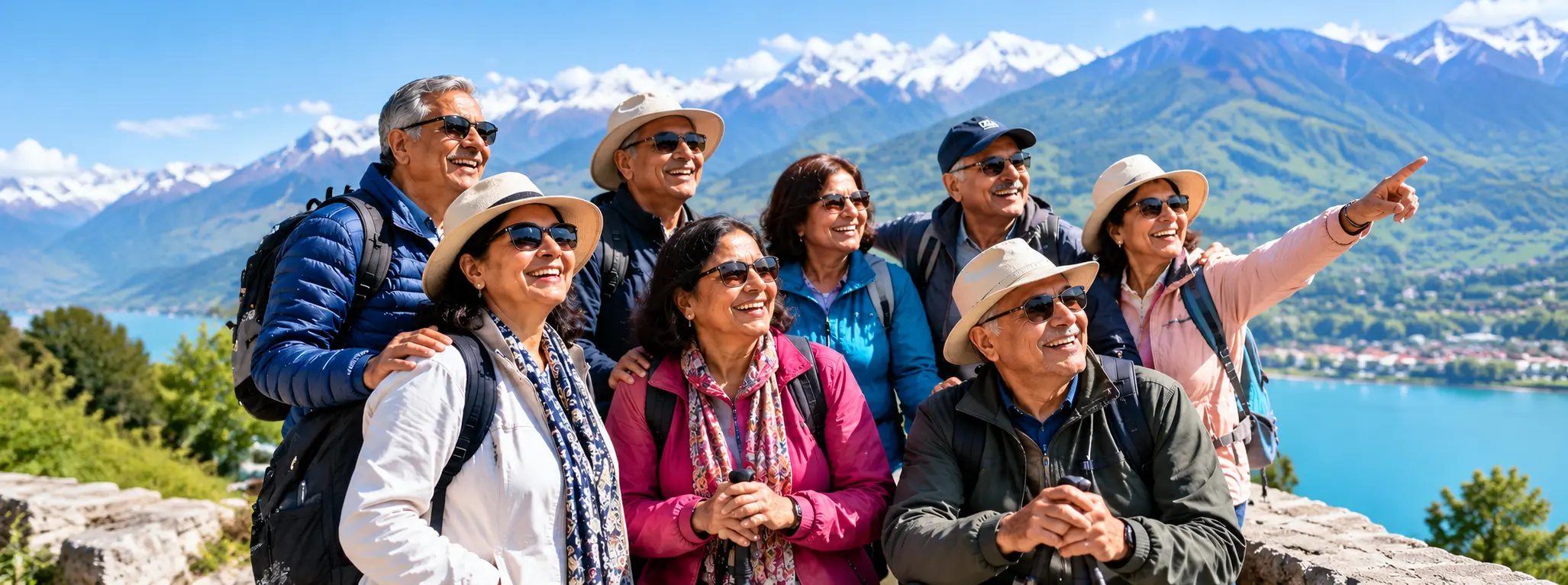
One of the groups we've worked with has been friends for over 30 years. They don't need to "bond." They've already survived weddings, job changes, kids growing up, and each other's terrible haircuts from three decades ago. What they need from a trip is completely different from what most travel advice assumes — and almost nobody's writing about it.
The advice that doesn't apply to you
Skip the trust-fall exercises. Skip the "getting to know you" dinner on night one where everyone shares three fun facts. Skip any itinerary built around forcing interaction between people who don't know each other yet. None of that applies. If anything, over-programming a group like this can feel patronising — like the itinerary doesn't trust them to just enjoy each other's company, which they've been doing for decades already.
What actually matters instead
Pace, not activities. A group of old friends usually already knows its own rhythm — who wakes up early, who needs two coffees before conversation, who's happy to sit at a café for three hours while others go sightseeing. A good itinerary leaves room for that instead of scheduling every hour.
Shared history over new experiences. The instinct is to fill a trip with "amazing new things to do together." But for a group with decades of shared history, moments that let them reminisce — a long dinner, an evening with no agenda, a spot that reminds someone of an old memory — often land better than another ticked-off activity.
Fewer group decisions, more default plans. Thirty years of friendship usually means everyone already knows who takes charge of logistics, who's the "let's just wing it" one, and who needs the plan written down. Build the itinerary around those existing group dynamics instead of assuming everyone wants equal say in every decision.
Physical comfort quietly matters more. A group of friends in their 50s, 60s or beyond has different physical needs than a 25-year-old friend group — even if nobody says so directly. Slightly shorter walking distances, a hotel with a lift, a lunch stop instead of pushing through till 4 PM — these details go a long way without ever being explicitly requested.
The mistake most itineraries make
Treating every group trip the same way. A generic "fun group activities" itinerary works fine for people meeting for the first time. For a group that's already close, it can feel like filler — activities inserted because a template said to, not because the group actually needed them.
The better approach: ask what they've always talked about doing together, and build around that, rather than around a generic "best group activities" list.
What we've learned building trips like this
The best compliment we've gotten from a group like this wasn't "that activity was amazing." It was "it felt like we were just hanging out, except somewhere beautiful." That's the actual goal — the trip disappears into the background, and the friendship is the main event.
Planning your next trip?
We'll handle insurance, hotels, airport assistance and the itinerary — the same way we do it for every trip.